Key Takeaways:
- Rust is largely preventable, but only through a repeated, long-term routine rather than a one-time fix or a single product
- Corrosion can strip a meaningful chunk of resale value from a vehicle, with structural rust causing far steeper losses than surface spots
- Where a car is stored matters enormously — dry, temperature-stable, well-ventilated space does more to prevent corrosion than almost anything else
- Washing needs to include the undercarriage and hidden seams, followed by a full hand-drying, not just a quick rinse of visible panels
- Layered protection works best: undercoating, cavity wax for enclosed panels, and a sealant on painted surfaces, each reapplied on its own schedule
- Regular inspections with a flashlight catch small, cheap-to-treat spots before they turn into expensive structural damage
- Small everyday habits — like covering a damp car or ignoring a paint chip — can quietly undo an otherwise solid prevention routine
If you own a classic car, you already know that rust is public enemy number one. It does not care how many trophies your ride has won at local shows or how much you paid to restore that original paint job. Given the chance, rust will creep into seams, hide under carpet padding, and quietly eat away at metal you cannot even see. Unlike a dead battery or a worn belt, rust does not announce itself. It works slowly, often for years, before a small bubble under the paint turns into a hole you can put your fist through.
The good news is that rust is largely preventable when you build a consistent, long-term care routine instead of just reacting after you spot the first orange bubble. Most classic car owners already understand the basics of an oil change schedule or a tune-up interval, yet rust prevention often gets treated as an afterthought, something to deal with only once it becomes visible. That approach almost always costs more time and money than a steady, proactive routine would have. This guide walks through exactly how to build that routine, step by step, covering storage, washing, coatings, inspections, seasonal habits, and the small mistakes that quietly undo all of that hard work, so your classic stays road-ready for decades to come.
Why Rust Is Such a Big Deal for Older Vehicles
Rust forms through a simple chemical reaction: iron, oxygen, and moisture combine to create iron oxide, which is that flaky reddish-brown coating everyone dreads. Newer vehicles are built with galvanized steel panels, factory-applied corrosion inhibitors, and better drainage engineering, which slows this process down significantly. Classic cars, on the other hand, were often built decades before any of that technology existed. Bare steel panels, minimal undercoating, and drainage holes that were never designed with long-term corrosion resistance in mind all add up to a vehicle that is naturally more vulnerable.
This vulnerability is not just a cosmetic issue either. Rust that reaches structural areas like the frame, floor pans, or suspension mounts can compromise the safety of the car and make it far more expensive to keep on the road. A frame that has thinned out from years of corrosion is not just unsightly, it can flex in ways it was never designed to, which affects handling, crash safety, and the overall integrity of the vehicle. Suspension mounting points that have rusted through can fail under load, and floor pans that have weakened can no longer properly anchor seat belts or seats themselves.
There is also the matter of originality, which matters enormously in the classic car world. Once a panel needs to be cut out and replaced because rust has eaten through it, the car loses a piece of its original manufacturing history. Collectors and appraisers pay close attention to how much of a car’s sheet metal is original versus repaired, and heavy rust repair almost always shows up as a red flag during a pre-purchase inspection or an appraisal for insurance purposes.
One data point really drives this home. According to guidance published by vehicle marketplace Motorway, rust can knock at least 10 to 20 percent off a car’s resale or trade-in value, with severe structural corrosion pushing that figure even higher. Breaking that down further, the source notes that surface-level spots on body panels tend to land around the lower end of that range, while corrosion that reaches the frame, chassis, undercarriage, or suspension pushes losses toward the higher end because those components affect both safety and structural integrity. For a classic car, where value is often tied directly to originality and condition, that kind of depreciation is hard to swallow. It is one of the clearest financial arguments for treating rust prevention as an ongoing routine rather than a one-time fix.
Building a Long-Term Rust Prevention Mindset
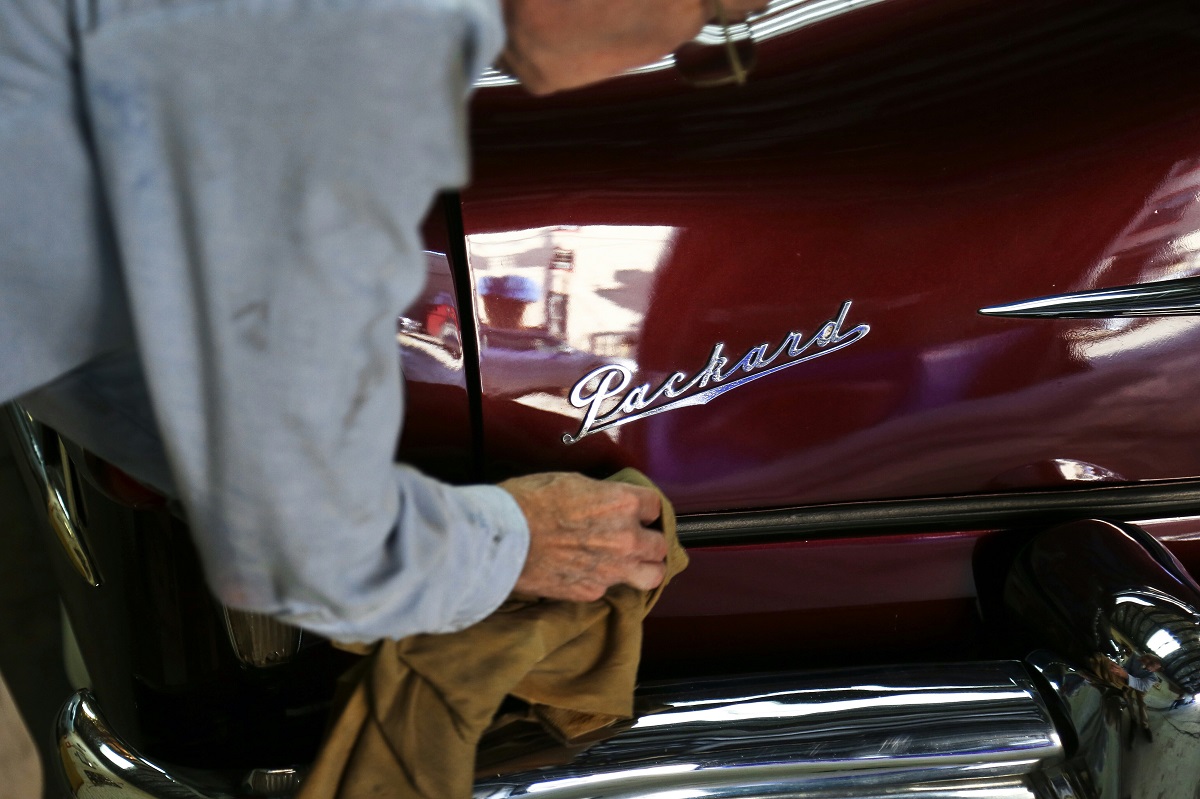
The biggest mistake classic car owners make is thinking about rust prevention as a single event, like applying a rust inhibitor once and calling it done. Real protection comes from a routine that repeats on a predictable schedule. Think of it the same way you would think about oil changes or tune-ups: small, consistent actions that prevent big, expensive problems down the road.
A solid long-term routine touches four main areas:
- Storage conditions, since humidity and temperature swings are major rust accelerators
- Regular washing and drying, especially the undercarriage and hidden cavities
- Protective coatings and sealants that are reapplied on a set schedule
- Routine inspections that catch small spots before they spread
Each of these areas plays a different role, and skipping any one of them leaves a gap that moisture will eventually find. A car that is stored perfectly but never washed will still accumulate road grime and debris every time it is driven. A car that is washed religiously but stored in a damp, unventilated garage will still trap moisture against the metal overnight. The routine only works as a whole system, which is why it helps to think of it less as a checklist you finish and more as a rhythm you settle into, the same way you would settle into a habit of checking tire pressure before a long drive.
It also helps to accept that no routine will make a classic car completely immune to rust. The goal is not perfection, it is slowing the process down dramatically and catching anything that does form while it is still small, cheap, and easy to treat. Owners who go into this with realistic expectations tend to stick with the routine far longer than those who expect a single product or treatment to solve the problem permanently.
Choosing the Right Storage Environment
Where your car spends most of its life matters more than almost anything else. A car parked outside under a tarp is going to fight a losing battle against rust no matter how well you wash it. Moisture gets trapped underneath covers, condensation forms overnight, and road grime never fully dries out.
Ideally, a classic car should be stored in a dry, climate-controlled garage. If a fully climate-controlled space is not realistic, there are still ways to dramatically improve conditions:
- Use a dehumidifier or moisture-absorbing product inside the garage space
- Keep the car up on a breathable car cover rather than a plastic tarp that traps condensation
- Avoid parking directly on bare concrete, which can wick moisture upward; a sealed floor or a car mat helps break that contact
- Ensure there is some airflow in the storage space rather than sealing it completely airtight, since stagnant humid air is just as damaging as an open, exposed environment
Owners who are serious about maintaining classic cars often invest in indoor storage units specifically because temperature and humidity control pay for themselves many times over in preserved metal and paint.
Temperature swings deserve just as much attention as humidity. When a garage heats up during the day and cools down overnight, condensation can form on cold metal surfaces even if there is no rain or snow involved at all. This is especially common in unheated garages during shoulder seasons like early spring and late fall, when daytime and nighttime temperatures differ the most. A small space heater on a thermostat, or simply improving insulation in the garage, can reduce this swing and cut down on the condensation cycle that quietly encourages rust to form overnight.
Ventilation is another factor that often gets overlooked. A garage that is sealed too tightly can trap humid air with nowhere to go, especially if the car was driven in wet conditions before being parked. A small vent, a cracked window, or even a simple fan running on a timer for part of the day can keep air moving enough to prevent that stagnant, moisture-heavy environment from settling in around the car.
Washing and Drying the Right Way
It might sound counterintuitive, but regular washing is one of the most effective rust prevention tools available. Dirt, road salt, bird droppings, and tree sap all hold moisture against the paint and metal, creating the exact conditions rust needs to take hold. The trick is washing correctly, not just washing often.
A few habits make a real difference here:
- Rinse the undercarriage thoroughly after any drive on salted or wet roads, since this area is the most exposed to corrosive debris
- Use a pH-balanced car wash soap rather than harsh dish detergents that can strip protective wax layers
- Dry the car completely by hand instead of letting it air dry, paying close attention to door jambs, trunk seams, and around the wheel wells where water tends to pool
- Open doors, the trunk, and the hood briefly after washing so trapped moisture can evaporate from hinges and seams
It is worth repeating that the undercarriage deserves special attention. This is the area most exposed to splashing water, road salt, and debris, yet it is also the easiest to forget since it is out of sight during a normal wash. A pressure washer with a wand attachment or a dedicated undercarriage nozzle can reach areas that a standard hose simply cannot, including behind the wheels, along the frame rails, and around the exhaust system.
Timing matters too. Washing a car in direct sunlight can cause water spots and can make it harder to tell whether the surface is fully dry, since heat evaporates the top layer of water while leaving moisture trapped in seams and joints underneath. Washing in the shade, either early morning or evening, gives a clearer picture of whether the car is actually dry before it goes back into storage. It is also worth avoiding automatic car washes with abrasive brushes for a classic car, since these can introduce fine scratches that compromise the paint’s protective layer over time, making the surface more susceptible to corrosion at the microscopic level.
Applying Protective Coatings and Sealants
Once a car is clean and dry, protective coatings create a barrier between bare metal and the elements. There are a few different product categories worth understanding, since each one serves a slightly different purpose.
Undercoating products, whether rubberized, wax-based, or oil-based, are designed to coat the underside of the vehicle and seal out moisture. Wax-based and oil-based coatings tend to be favored by classic car restorers because they can penetrate into seams and stay flexible over time, whereas some rubberized coatings can crack with age and trap moisture underneath if not maintained properly.
Cavity wax is another important product, since it is designed to be sprayed into enclosed spaces like door panels, rocker panels, and frame rails where regular washing cannot reach. These hollow cavities are notorious rust traps because moisture gets in through drainage holes or seams and has nowhere to escape.
On visible painted surfaces, a good coat of carnauba or synthetic sealant wax does more than add shine. It creates a hydrophobic layer that helps water bead and roll off rather than sitting on the surface.
A reasonable schedule looks something like this:
- Undercoating reapplied every one to two years, depending on climate and driving frequency
- Cavity wax reapplied roughly every two to three years
- Exterior wax or sealant reapplied every three to four months, or more often in humid climates
Before applying any coating, the surface needs to be completely clean and dry, otherwise the product ends up sealing moisture or debris underneath it, which can actually accelerate corrosion rather than prevent it. This is one of the more common mistakes owners make when rushing through a coating application on a weekend afternoon. Taking the time to properly prep the surface, even if it means waiting an extra day for full drying, pays off far more than rushing the process.
It is also worth noting that some coatings work better in combination than alone. A wax-based undercoating paired with cavity wax in the enclosed panels, topped off with a quality exterior sealant, creates layered protection where each product covers a gap the others cannot reach. Relying on just one type of product, even a high-quality one, usually leaves at least one vulnerable area exposed.
Watching for Trouble Spots Before They Spread
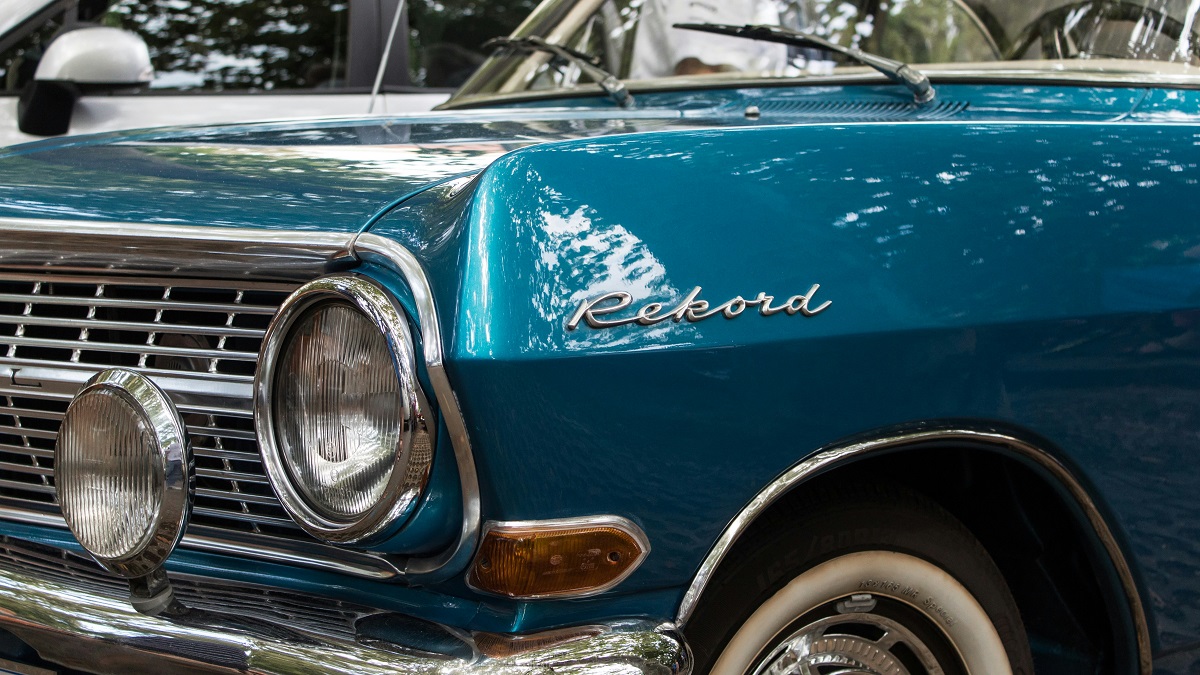
Even with a great storage and coating routine, small rust spots can still appear over time, especially on a car that already has some age-related wear. The goal of routine inspection is to catch these spots while they are still small and treatable, rather than discovering a hole in the floor pan years later.
Certain areas deserve extra attention during any inspection:
- Wheel arches and fender lips, where debris collects and drainage is often poor
- Rocker panels and door bottoms, which trap water from rain and washing
- The trunk floor and spare tire well, since drainage seals in these areas often fail with age
- Floor pans and frame rails, which are structural and expensive to repair if rust is allowed to progress
A flashlight and a small pick tool are enough to check for soft spots or bubbling paint during a seasonal inspection. Catching a dime-sized spot of surface rust and treating it immediately is dramatically cheaper and easier than dealing with perforated metal later.
Beyond the visible bodywork, it helps to get the car up on ramps or a lift at least once or twice a year for a proper look underneath. Running a hand along the frame rails and pressing gently on the floor pans can reveal soft spots that are not yet visible as rust but indicate that corrosion has already started to weaken the metal from the inside. If a professional inspection is not something you do regularly, a trusted local shop that specializes in classic cars can often spot early warning signs that an untrained eye would miss entirely, and a once-a-year checkup is a reasonable middle ground for most owners.
Seasonal Adjustments Matter
A rust prevention routine should not look the same every month of the year. Winter driving conditions, humid summers, and long storage stretches each create different risks, so the routine needs to flex accordingly.
During winter months or in regions that salt the roads, washing frequency should increase, with particular focus on rinsing the undercarriage after every drive. During humid summer stretches, dehumidifying storage space becomes more important than washing frequency. If the car goes into long-term storage for an off-season, a fresh coat of wax, a full undercarriage rinse and dry, and a dehumidifier running in the storage space will do far more good than trying to catch up on maintenance once the car comes back out in spring.
Common Mistakes That Undo a Good Routine
Even owners who genuinely care about their classic car can fall into habits that quietly work against everything the routine is meant to accomplish. Knowing what to avoid is just as important as knowing what to do.
- Covering a car while it is still damp, which traps moisture directly against the paint and metal overnight
- Skipping the undercarriage during a quick wash because it is harder to reach and easy to ignore
- Using an old cotton cover that holds onto moisture instead of a breathable, purpose-made car cover
- Letting a small paint chip sit untreated, since exposed bare metal starts oxidizing almost immediately
- Storing the car with the windows or sunroof cracked open during humid weather, thinking it helps with airflow, when it actually invites moisture inside
- Applying wax or sealant over a surface that was not fully rinsed of soap residue, which can trap chemical buildup against the clear coat
None of these mistakes are dramatic on their own, but they add up over months and years. A routine that looks solid on paper can still fail in practice if these smaller habits are not addressed alongside it.
Building the Routine Into a Simple Schedule
Pulling all of this together, a workable long-term routine might look like this:
- Weekly or after every drive: wipe down and dry any exposed moisture, especially after rain
- Monthly: full wash with attention to the undercarriage, door jambs, and wheel wells
- Every three to four months: reapply exterior wax or sealant
- Every one to two years: reapply undercoating
- Every two to three years: reapply cavity wax in enclosed panels
- Every season change: full inspection of trouble spots with a flashlight
Having this kind of schedule written down, whether on a calendar or a simple checklist taped inside the garage, removes the guesswork and makes it far less likely that a step gets forgotten during a busy season.
Final Thoughts
Preventing rust on a classic car is not about a single magic product or a one-time treatment. It comes down to consistency: proper storage, regular washing and drying, protective coatings applied on a schedule, and routine inspections that catch problems early. None of these steps are complicated on their own, and none of them require expert-level skills or a large budget. What they require is repetition, showing up for the small tasks month after month so that moisture never gets a real foothold in the first place.
The data on how much value rust can strip from a vehicle makes the case clearly, but for most owners, the real motivation is simpler than that. A classic car represents years of history, effort, and personal investment, and a steady care routine is one of the most reliable ways to make sure that investment lasts for many more years on the road. Start small if the whole routine feels overwhelming at first. Even just committing to drying the car properly after every wash and getting it into a dry storage space will put you ahead of most owners who only think about rust once it is already staring back at them from under the paint.