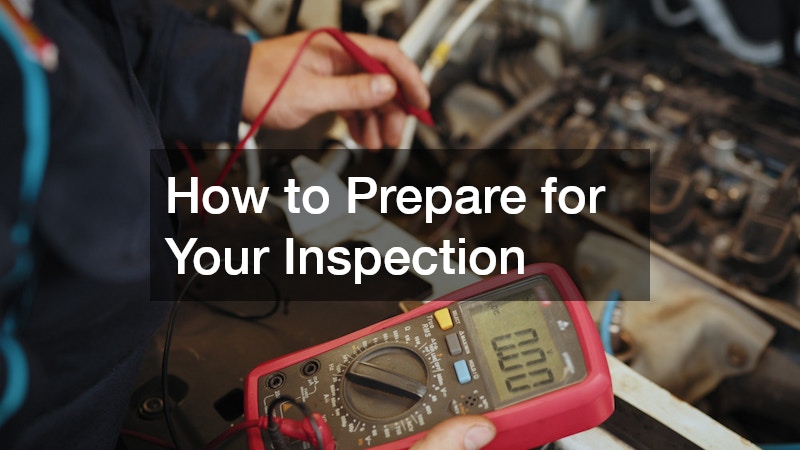
Taking your motor vehicle in for an official assessment can feel stressful if you are unsure of what certified evaluators are looking for. State mandates, environmental compliance standards, and general safety checks require automobiles to satisfy strict mechanical and structural requirements. Passing this evaluation on the first try saves you time, prevents costly re-test fees, and ensures that your daily transport remains dependable on public roads. Preparing ahead of time allows you to catch minor issues before they turn into failed evaluation results.
A proactive approach to vehicle maintenance is the most effective way to eliminate surprises during an official review. Many common reasons for failure stem from simple, overlooked items such as burned-out light bulbs, low fluid levels, or worn windshield wiper blades. By following a structured self-inspection routine at home, you can systematically review your vehicle from bumper to bumper, identify components that require immediate attention, and address necessary fixes well in advance of your official appointment.
Taking the time to understand what technicians evaluate gives you a distinct advantage. Inspections generally encompass several primary areas:
-
Exhaust emissions and engine control systems
-
Exterior lighting and signal visibility
-
Braking efficiency and stopping power
-
Tire tread depth, pressure, and wheel structural integrity
-
Electronic safety monitors and driver assistance sensors
Essential Preparation Steps Before Taking Your Vehicle In

Gathering Your Documents and Maintenance History
Before heading out to your scheduled appointment, confirm that all your administrative paperwork is completely organized and readily accessible. Technicians and state officials need to verify ownership and vehicle identity before they begin testing mechanical or emissions systems. Keep these vital documents stored safely in your glove compartment in an easily readable folder.
-
Valid driver license or state-issued identification card matching the vehicle documentation
-
Current proof of auto insurance coverage printed or stored digitally on an accessible device
-
Official vehicle registration card displaying accurate vehicle identification numbers
-
Paperwork from previous auto inspections or recent service records detailing recent repairs
Having complete maintenance records on hand can clarify past work if a technician notices prior components that were serviced or replaced. Official facilities that conduct state-mandated auto inspections rely on consistent documentation to verify that previous mechanical issues were appropriately resolved. Taking a few minutes to organize your paperwork ensures a smooth check-in process and prevents administrative delays before the physical evaluation begins.
Understanding Local Compliance Standards
Vehicle evaluation standards vary significantly depending on your geographical location, regional laws, and environmental regulations. Certain jurisdictions place heavy emphasis on exhaust emissions testing to limit air pollution, while others focus primarily on mechanical safety items like steering, suspension, and braking systems. Researching your specific local requirements helps you focus your pre-appointment preparation on the areas most likely to be scrutinized.
When scheduling your appointment, select a certified auto shop that employs certified technicians with specific expertise in state compliance procedures. Facilities equipped with modern diagnostic tools and trained staff can assess your vehicle accurately and provide clear guidance if pre-inspection repairs are needed. Establishing a strong relationship with a trustworthy service provider ensures your vehicle receives thorough, professional care during every routine assessment.
Exterior Checks to Perform at Home
Conducting a Lighting and Signal Walkaround
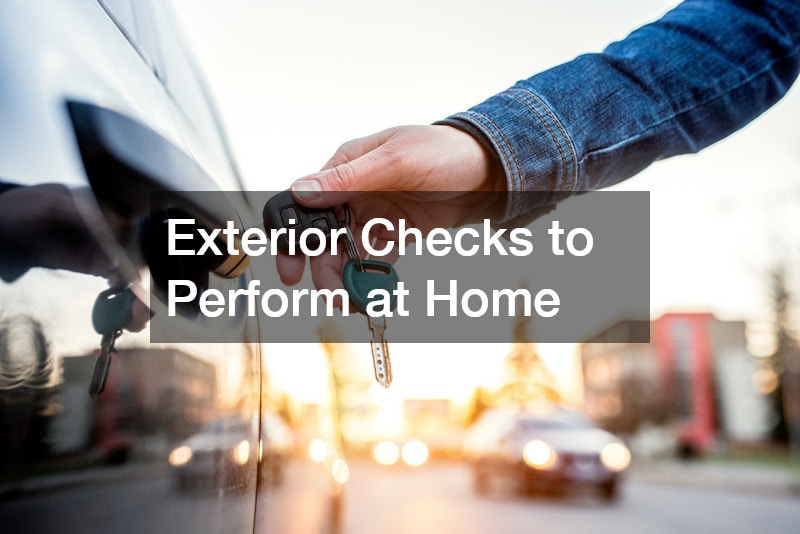
Faulty or broken exterior lights are among the most common reasons vehicles fail safety assessments, yet they are also among the easiest issues to fix at home. A complete walkaround allows you to check every exterior bulb, lens, and signal light without special tools.
-
Turn on your headlights, including both low beams and high beams, to check for consistent brightness and clear lenses.
-
Activate hazard flashers and test each turn signal on both the front and rear corners of the vehicle.
-
Place a heavy object against the brake pedal or ask a friend to watch while you press the brake to verify that all brake lights illuminate instantly.
-
Inspect parking lights, reverse lights, side markers, and license plate illumination bulbs to confirm none are burned out or flickering.
If you discover a non-functioning bulb during your walkaround, replace it right away before taking your car in for professional evaluation. Addressing minor electrical issues like bad bulbs or cracked lenses demonstrates that you maintain your vehicle responsibly. When complex electrical faults extend beyond a quick bulb swap, scheduling professional car repair guarantees that the wiring, fuses, and sockets meet factory specifications.
Inspecting Glass, Mirrors, and Wipers
Clear visibility is paramount for driver safety, making windshields, side glass, and mirrors critical components of any official evaluation. Evaluators check windshields for cracks, chips, or bullseye fractures that impede the driver’s direct line of sight or compromise structural integrity.
Key visibility items to verify at home include:
-
Structural glass condition, ensuring windshields have no severe spiderweb cracks in the wiper path
-
Side and rear mirrors, confirming they attach securely, adjust smoothly, and provide clear views
-
Wiper blade condition, ensuring rubber edges are pliable and wipe cleanly without streaking
-
Washer fluid operation, testing that spray nozzles clear debris evenly without clogging
If your vehicle sustained cosmetic body blemishes or minor panel misalignments, addressing those issues early prevents further degradation. Professional dent repair can restore body panels and ensure door latches, hood releases, and trunk hinges align correctly. Properly aligned body panels keep glass seals intact and prevent moisture from entering sensitive interior cabins or electrical pathways.
Checking Wheels, Rims, and Tire Tread
Tires are your vehicle’s sole contact point with the roadway, making them a top priority during safety evaluations. Inspectors review tread depth, sidewall condition, and overall structural integrity of every tire, including the spare if applicable.
-
Use a standard tread depth gauge or the penny test to verify that tread depth exceeds the legal minimum requirement, typically two-thirty-seconds of an inch.
-
Check tire pressure using a reliable digital gauge when tires are cold, adjusting inflation to match manufacturer recommendations listed on the door jamb.
-
Inspect sidewalls for bulging, deep cuts, gouges, or exposed cord fabric that indicates internal belt damage.
-
Examine all four rims for severe curb rash, bends, cracks, or missing lug nuts that could compromise wheel retention.
Damaged wheels or unevenly worn tires can cause dangerous vibrations, poor handling, and premature tire failure. Investing in expert car wheel repair helps fix bent rims, curb damage, or balance discrepancies before your vehicle undergoes rigorous testing. Taking care of your wheels and tires protects your investment and ensures a passing score on critical chassis safety checks. Additionally, partnering with a reliable vehicle protection company can provide extended coverage options for unexpected mechanical failures that arise as your automobile ages.
Mechanical Systems and Fluid Level Verification
Checking Essential Fluid Levels and Fluid Quality
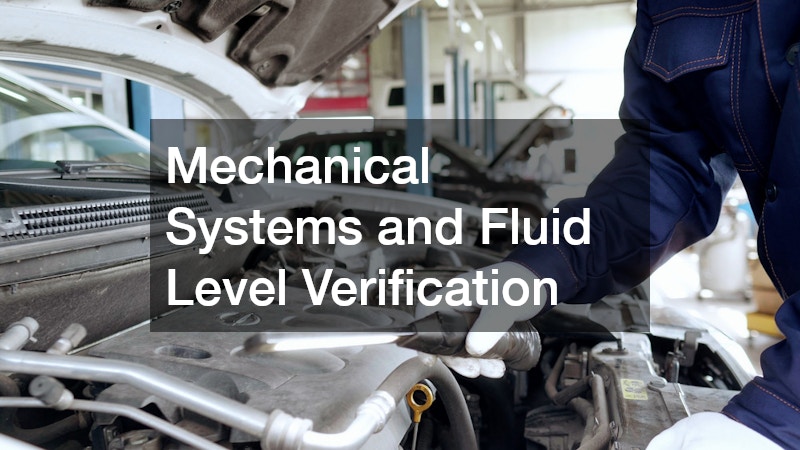
Engine fluids serve as the primary lifelines for your powertrain, transmission, steering, and cooling systems. Low or heavily contaminated fluids signal neglect and can lead to mechanical failures during emission or performance testing.
Important fluid checks to perform prior to testing:
-
Engine oil level and visual purity on the dipstick
-
Radiator coolant volume within the transparent expansion reservoir
-
Brake fluid clarity and height relative to reservoir fill lines
-
Power steering and windshield washer reservoir fluid levels
Regular oil changes remove harmful sludge, metal particles, and combustion byproducts that degrade engine performance over time. Fresh, clean oil keeps internal engine components properly lubricated, reduces friction, and helps maintain proper operating temperatures. Fresh engine oil also supports cleaner combustion, which directly contributes to lower tailpipe emissions during environmental compliance checks.
Evaluating Braking Performance and Hardware
Braking systems undergo rigorous testing during official safety evaluations to verify stopping power, pedal feel, and mechanical balance. Inspectors check brake pad thickness, rotor surface condition, hydraulic lines, and parking brake function.
Listen closely for unusual noises like high-pitched squealing, harsh grinding, or clunking sounds when stopping during everyday driving. Pay attention to how the brake pedal feels under your foot; a soft, spongy pedal that sinks slowly toward the floorboard indicates air in hydraulic lines or a leaking master cylinder. Pull up or press down firmly on your parking brake lever to ensure it engages securely and prevents the vehicle from rolling on elevated inclines.
Addressing worn stopping components prior to your appointment eliminates safety risks on the road. Arranging timely brake repair addresses worn friction pads, scored brake rotors, and leaking calipers before an inspector flags them as hazardous. Maintaining a clean, responsive braking system provides total peace of mind for both you and the inspecting technician.
Safety Features and Electronics Assessment
Resolving Dashboard Warning Lights and OBD Fault Codes
Modern vehicles rely on intricate arrays of electronic sensors to monitor engine efficiency, safety systems, and emissions equipment. When an onboard computer detects an anomaly, it triggers a warning light on the instrument cluster, such as the Check Engine, ABS, or Airbag warning light.
In almost all jurisdictions, an active Check Engine Light results in an automatic, immediate failure during official assessments. An illuminated warning light indicates that the engine control unit has stored an On-Board Diagnostics fault code related to fuel delivery, ignition timing, or emissions hardware. Connecting a handheld OBD scanner to the diagnostic port under the dashboard allows you to read stored error codes and understand the root cause of the problem before visiting a service center.
Complex electrical troubleshooting on sophisticated European import models often requires specialized factory diagnostic tools and trained technician expertise. Seeking professional volvo car repair ensures that intricate engine management codes, turbocharger sensors, and electronic module communications are correctly diagnosed and repaired using genuine factory specification parts.
Checking Driver Assistance and Sensor Alignment
Advanced Driver Assistance Systems, known collectively as ADAS, rely on windshield-mounted cameras, bumper radar sensors, and ultrasonic modules to operate features like adaptive cruise control, lane-keeping assistance, and automatic emergency braking.
-
Clean the area around windshield-mounted forward cameras located behind the interior rearview mirror.
-
Remove built-up grime, road salt, or dried mud from front radar covers positioned within the grille housing.
-
Ensure bumper-mounted ultrasonic parking sensors are totally clean and free of heavy paint touch-ups.
-
Confirm that any recent front-end body repairs restored original factory mounting angles for all sensing units.
When vehicle glass is replaced or front body components undergo service, camera and radar positioning can shift slightly. Scheduling an adas calibration service recalibrates digital camera angles and radar alignment parameters to match precise factory geometric standards. Properly calibrated safety electronics keep advanced driving assistance systems working reliably during daily operations and formal evaluations.
Final Vehicle Preparation Checklist
Before leaving your driveway for your evaluation appointment, perform a final sweep to ensure your automobile presents well to the inspecting team. Clean out personal items, vacuum carpeted floor mats, and clear out cluttered cargo space so technicians can easily access spare tire wells, seatbelts, and emission testing ports.
-
Fill your fuel tank to at least half capacity to prevent fuel pump aeration during testing.
-
Warm up the engine with twenty minutes of driving so catalytic converters reach full operating temperature.
-
Verify every seatbelt latches, unlatches, and retracts smoothly without fraying.
-
Press the horn to ensure it emits a clear, loud warning sound.
Arrive at your appointment ten to fifteen minutes early with your documentation ready in hand. A clean, well-maintained vehicle shows the inspector that you care for your transport, setting a positive tone for the entire procedure.
Maintaining Compliance Year-Round
Passing your official vehicle assessment should not be a once-a-year worry, but rather the natural result of an ongoing, disciplined routine. Staying on top of basic maintenance throughout the year keeps your vehicle operating efficiently, minimizes unexpected breakdown risks, and protects your long-term financial investment.
Establish a consistent calendar for fluid flushes, filter replacements, tire rotations, and chassis lubrication according to your manufacturer’s recommended service schedule. Keep a dedicated folder in your home office or digital drive to archive service invoices, receipt records, and test certificates over time. Staying organized makes it easy to track component lifespans and prove careful ownership history if you decide to sell your automobile in the future.
By taking a proactive approach to vehicle care, executing thorough pre-test walkarounds, and fixing minor mechanical issues early, you can face every upcoming inspection with complete confidence. Proper preparation ensures your car remains safe, legal, and ready for every mile on the road ahead.