Introduction
For millions of Americans, a personal vehicle is not optional—it is essential. According to the U.S. Department of Transportation, over 91% of households have access to at least one vehicle, and the average driver travels more than 13,000 miles per year. With that level of use, wear, damage, and maintenance needs are unavoidable. Yet many car owners only think about repairs after something goes wrong, often when costs and stress are already high.
Data from AAA shows that nearly one-third of drivers delay recommended vehicle maintenance, primarily due to cost concerns or lack of understanding. Ironically, postponed care often leads to significantly higher repair expenses later. In fact, Consumer Reports estimates that proactive maintenance can reduce long-term vehicle ownership costs by up to 40% compared to reactive repairs. These numbers highlight why automotive repair insights matter—not for mechanics, but for everyday drivers trying to make smarter decisions.
Modern vehicles add another layer of complexity. Today’s cars are no longer just mechanical machines; they integrate electronics, safety sensors, software-driven systems, and advanced materials. A minor accident, skipped service, or cosmetic issue can now affect everything from safety performance to resale value. Without basic knowledge, it becomes difficult for drivers to know when a problem is urgent, when it can wait, and which solutions actually make sense.
This guide is designed for U.S. car owners who want clarity rather than technical overload. It explains how routine care, protective measures, and repair decisions work together to improve safety, reliability, and long-term value. By understanding these fundamentals, drivers can avoid unnecessary expenses, reduce downtime, and approach vehicle ownership with confidence instead of uncertainty.
Protecting Your Vehicle’s Exterior From Everyday Damage
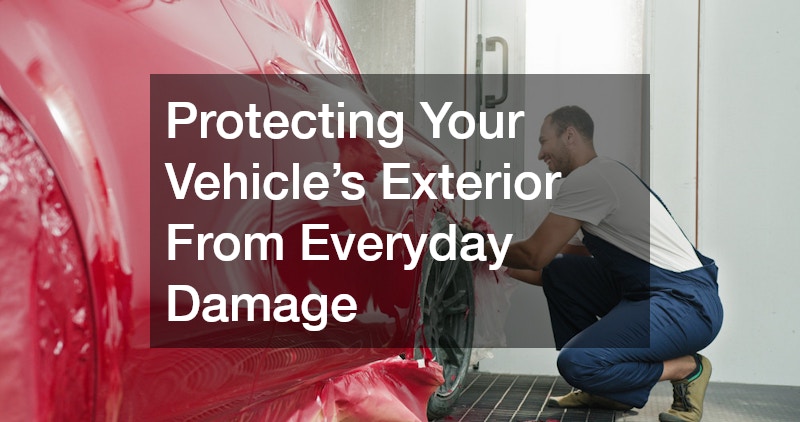
Daily driving exposes vehicles to debris, sun exposure, moisture, and temperature changes. Over time, these elements gradually wear down exterior paint, especially in high-impact areas like hoods, mirrors, and bumpers. Once paint begins to degrade, the metal beneath becomes vulnerable to corrosion.
Many drivers choose preventative solutions such as paint protection films to shield surfaces most likely to suffer damage. These protective layers help absorb minor impacts and reduce the visible effects of road wear. From an automotive repair insights perspective, prevention often costs less than correcting cosmetic damage after it becomes severe.
Exterior protection also supports long-term value. Even small chips and scratches can reduce resale potential and lead to costly repainting if ignored. Understanding where damage typically occurs helps owners decide when proactive measures are worthwhile.
Helpful tips:
-
Inspect high-impact areas regularly
-
Address small paint chips early
-
Wash vehicles frequently to remove debris
-
Park strategically when possible
Keeping Your Car Clean to Preserve Value and Performance
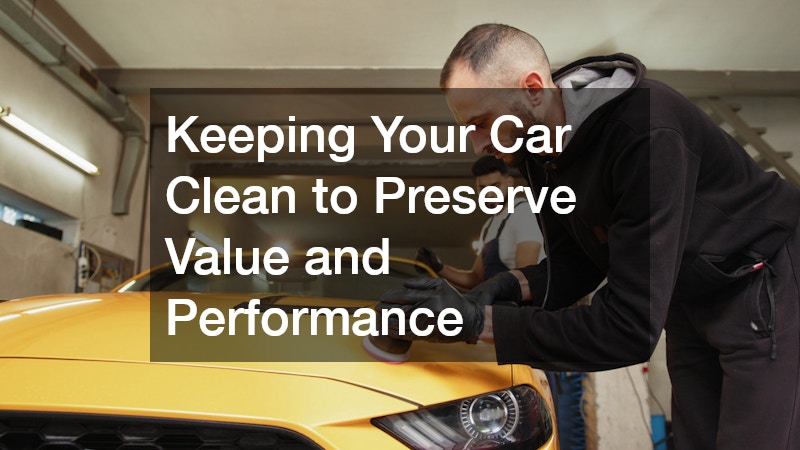
Cleanliness affects more than appearance. Dirt, salt, and grime gradually degrade paint, seals, and interior materials. Over time, this wear can reduce comfort and increase maintenance needs. Routine cleaning plays a role in preserving both function and value.
Professional auto detailing focuses on deep cleaning and preservation rather than surface-level appearance. Interiors benefit from protection against stains, UV exposure, and wear on frequently used surfaces. Exteriors benefit from treatments that help maintain protective coatings and paint integrity.
From a repair insights standpoint, regular detailing helps drivers notice issues early. Cracks, leaks, and wear are easier to detect on a clean vehicle. This awareness supports timely repairs and prevents small problems from escalating.
Helpful tips:
-
Clean interiors before stains set
-
Remove road salt during winter months
-
Protect dashboards from sun exposure
-
Inspect surfaces during cleaning
Understanding Structural and Cosmetic Repair Needs
Not all vehicle damage is obvious. While dents and scratches may appear cosmetic, they can hide structural issues beneath the surface. Panels may shift, fasteners loosen, or protective coatings become compromised after even minor impacts.
Auto body services evaluate both visible and hidden damage to ensure the vehicle remains structurally sound. Proper repairs restore alignment, protect safety systems, and prevent long-term deterioration. Ignoring cosmetic damage can allow rust or misalignment to worsen over time.
Automotive repair insights emphasize that appearance-related damage is rarely just visual. Structural integrity supports crash protection, handling, and proper operation of safety features.
Helpful tips:
-
Inspect vehicles after minor accidents
-
Address exposed metal promptly
-
Keep repair records for future reference
-
Don’t assume small damage is harmless
What to Do After an Accident to Restore Vehicle Safety
After a collision, even one that seems minor, safety should be the top priority. Modern vehicles are designed with impact zones and sensors that absorb and manage force. When these systems are disturbed, performance may change even if damage is not obvious.
Collision repair services focus on restoring safety systems, alignment, and structural integrity. Repairs often involve more than replacing damaged panels. Sensors, frames, and electronic components must function as designed to protect occupants.
Automotive repair insights highlight the importance of post-accident inspections. Delaying proper repairs can increase risk during future incidents and may compromise advanced safety features.
Helpful tips:
-
Schedule inspections after any collision
-
Watch for handling or alignment changes
-
Confirm safety systems are evaluated
-
Avoid driving if performance feels altered
Routine Maintenance That Prevents Major Mechanical Issues
Routine maintenance is the foundation of vehicle longevity. Engines rely on clean lubrication to reduce friction and manage heat. When maintenance is delayed, internal components wear faster and performance declines.
A regular car oil change helps protect engine parts and maintain efficiency. Oil breaks down over time, losing its ability to lubricate and cool. Ignoring maintenance intervals increases the risk of overheating, reduced fuel efficiency, and engine damage.
From a repair insights perspective, routine maintenance is one of the most cost-effective ways to avoid major repairs. It also provides opportunities for inspections that catch issues early.
Helpful tips:
-
Follow mileage or time-based schedules
-
Monitor oil levels regularly
-
Pay attention to engine sounds
-
Address leaks promptly
Fixing Minor Damage Without Extensive Repairs
Minor dents are common from parking lots, hail, and low-speed impacts. While they may not affect performance, they can reduce vehicle appearance and value. Traditional repairs often involve repainting, which can be costly.
Paintless dent repairs offer an option for addressing minor dents while preserving original paint. This approach works best when paint is intact and damage is shallow. Understanding when this method applies helps drivers make informed repair decisions.
Automotive repair insights stress the importance of timing. Addressing dents early increases the likelihood that less invasive repair options remain viable.
Helpful tips:
-
Repair dents before paint cracks
-
Avoid DIY methods that worsen damage
-
Inspect damage under good lighting
-
Act quickly after hail or minor impacts
Enhancing Comfort, Privacy, and Interior Protection
Interior comfort affects daily driving more than many drivers realize. Excessive heat and glare can strain eyes, fade upholstery, and make driving less enjoyable. Interior materials also degrade faster under constant sun exposure.
Auto tint installation helps regulate interior temperature, reduce glare, and protect surfaces from UV damage. When applied correctly and within legal limits, tinting improves comfort without reducing visibility.
From a repair insights standpoint, interior protection supports long-term value and reduces wear-related repairs. Comfortable driving conditions also promote safer driving habits.
Helpful tips:
-
Check state tint regulations
-
Balance visibility and heat reduction
-
Protect interior surfaces year-round
-
Clean tinted windows properly
Maintaining Clear Visibility for Safe Driving

Clear visibility is essential for safe driving. Windshields contribute to structural strength and protect occupants during collisions. Chips and cracks compromise both visibility and safety if left unaddressed.
Auto glass replacement becomes necessary when damage obstructs vision or weakens the windshield. Modern windshields often integrate sensors and cameras, making proper installation critical.
Automotive repair insights emphasize that glass damage is not merely cosmetic. Structural integrity and sensor performance depend on correctly installed glass.
Helpful tips:
-
Repair chips before cracks spread
-
Avoid sudden temperature changes
-
Keep windshields clean
-
Address visibility issues promptly
Improving Nighttime Safety Through Better Lighting
Headlights degrade gradually due to UV exposure and oxidation. As lenses become cloudy, light output decreases, reducing visibility at night and during poor weather conditions.
Headlight restoration services help improve light clarity and performance by removing oxidation and applying protective coatings. Restored headlights enhance safety and driving confidence.
From a repair insights perspective, lighting performance is a safety concern, not just an appearance issue. Clear headlights improve reaction time and reduce driving strain.
Helpful tips:
-
Inspect headlights regularly
-
Watch for dim or uneven lighting
-
Clean lenses during routine washes
-
Restore before visibility becomes dangerous
Ensuring Advanced Safety Systems Work as Designed
Modern vehicles rely on advanced safety technology to assist drivers. Cameras, sensors, and radar systems monitor surroundings and support features such as lane assistance and collision warnings.
Adas calibration ensures these systems function accurately after repairs, windshield replacement, or suspension changes. Even small misalignments can affect system reliability and driver safety.
Automotive repair insights highlight the importance of calibration as vehicles become more technologically advanced. Safety systems must operate within precise parameters to provide effective support.
Helpful tips:
-
Calibrate systems after major repairs
-
Watch for warning alerts
-
Avoid ignoring sensor-related messages
-
Keep safety systems inspected regularly
Conclusion
Caring for a vehicle is not a one-time decision—it is an ongoing process shaped by everyday driving habits, environmental exposure, and informed maintenance choices. Automotive repair insights give car owners the ability to move from reactive problem-solving to proactive care. When drivers understand how protection, routine service, and repair decisions connect, they are better equipped to control costs, improve safety, and extend vehicle lifespan.
Industry data consistently shows that preventive maintenance reduces unexpected breakdowns, lowers long-term ownership expenses, and improves resale value. Organizations such as AAA, the U.S. Department of Transportation, and Consumer Reports emphasize that small, timely actions—like addressing warning signs early or maintaining key systems—can prevent major mechanical failures later. As vehicles continue to integrate advanced safety technology and electronic systems, informed decision-making becomes even more important.
Instead of waiting for problems to escalate, car owners can take practical steps to stay ahead of repairs:
Actionable takeaways for vehicle owners:
-
Schedule routine inspections and maintenance before symptoms worsen
-
Address cosmetic and structural damage early to prevent secondary issues
-
Protect interior and exterior surfaces to reduce long-term wear
-
Reassess safety systems after collisions, glass replacement, or suspension work
-
Keep maintenance and repair records for long-term planning
Vehicle ownership does not require technical expertise, but it does benefit from awareness. By applying these insights consistently, drivers can reduce stress, avoid unnecessary expenses, and maintain confidence behind the wheel. A well-cared-for vehicle is not just more reliable—it is safer, more comfortable, and better prepared for the demands of everyday life.