Car ownership involves more than fuel, registration, and routine oil changes. Parts wear down, road debris causes damage, and weather can expose weaknesses that were easy to miss during everyday driving. Building a repair fund before a warning light appears can make those events easier to address without disrupting the rest of a household budget.
The amount to reserve will vary with the vehicle’s age, mileage, condition, and driving environment. A commuter that travels long highway distances faces different wear than a vehicle used mainly for short city trips. Previous damage also matters, particularly when a local auto body service has identified aging paint, loose trim, corrosion, or panels that no longer align correctly.
A useful plan separates predictable maintenance from unexpected damage while leaving room for optional improvements. Drivers can review service records, note recurring concerns, and ask a qualified shop which components are likely to need attention during the coming year. The following 11 categories cover common repairs and related services that deserve a place in a practical vehicle budget.
1. Brake System Service
Brake components wear gradually, which can make declining performance difficult to notice at first. Pads, rotors, calipers, hoses, and brake fluid all affect how consistently a vehicle slows. A high-pitched squeal, grinding sound, soft pedal, vibration, or pull to one side deserves prompt inspection because waiting can allow a smaller concern to affect additional parts.
Budgeting for brake work is easier when inspections are tied to regular service intervals or tire rotations. Driving habits have a major influence on wear: frequent stops, heavy traffic, steep roads, and towing place more demand on the system. A technician can measure remaining pad material and rotor condition, giving the owner a clearer timing estimate than mileage alone provides.
Brake expenses may also arrive soon after unrelated body damage if a collision affected a wheel, suspension corner, or hydraulic component. Before authorizing local collision repair work, ask whether the estimate includes an inspection of nearby mechanical systems. That step helps distinguish visible panel restoration from safety-related work that may need separate approval or scheduling.
2. Tires and Wheel Alignment
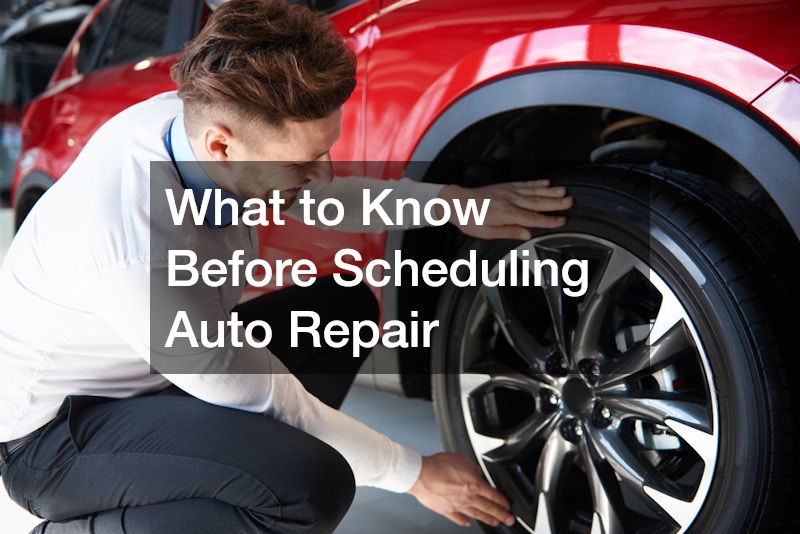
Tires are consumable parts, but replacement timing is not based solely on tread depth. Uneven wear, cracking, repeated pressure loss, vibration, and age can all justify closer evaluation. Keeping a dedicated tire reserve allows owners to replace a complete axle pair or matched set when appropriate instead of postponing the work until traction and ride quality decline further.
Alignment problems can shorten tire life and make a vehicle wander, pull, or hold the steering wheel off center. Potholes, curb impacts, worn steering parts, and suspension changes are common causes, and vehicles equipped with lift kits may have additional geometry considerations. Since an alignment cannot correct loose or damaged components, a shop should inspect the related hardware before making adjustments.
Wheel position should also be checked after local collision repairs involving a tire, fender, control arm, or steering component. Even when damage looks cosmetic, impact force can alter alignment angles or bend parts behind the wheel. Including a post-repair road test and alignment review in the plan can prevent a newly installed tire from developing avoidable wear.
3. Battery and Charging-System Work
A weak battery often becomes obvious during extreme heat or cold, but the battery may not be the only cause of slow starting. Corroded terminals, a failing alternator, damaged cables, or an electrical draw can create similar symptoms. Testing the battery and charging system together helps prevent money from being spent on a part that does not solve the underlying problem.
Owners can prepare by recording the battery’s installation date and watching for slower cranking, dim lights, or intermittent electrical behavior. If testing shows that replacement is approaching, the purchase can be planned before the vehicle refuses to start. The budget should also leave room for diagnosis because modern vehicles may require more time to trace electrical faults than to install a battery.
Electrical planning becomes especially important before adding accessories. Lighting, audio equipment, heated features, and other powered additions can change the load on the charging system. A capacity review before installation helps determine whether the existing battery, alternator, wiring, and circuit protection are suitable for the proposed equipment.
4. Damaged Automotive Glass
Small chips can spread when temperature changes, road vibration, or another impact places stress on the glass. Prompt windshield repairs may preserve the existing glass when the location, depth, and size of the damage permit it. Reserving a modest amount for early attention can also keep a blemish from becoming a longer crack that obstructs the driver’s view.
Not every damaged windshield can be restored. Cracks near an edge, extensive damage, or defects in a critical viewing area may call for replacement, and vehicles with cameras or sensors may need calibration afterward. Owners should ask what the service includes so glass installation, moldings, sensor work, and cleanup are accounted for in one plan.
Timing is the main budgeting lesson for windshield repairs: inspection should happen before a small defect changes. Photographs can help document growth, but they should not replace a professional assessment of structural condition and visibility. Addressing the glass promptly also reduces the chance that dirt and moisture will contaminate the damaged area.
5. Exterior Panel and Structural Damage
Body damage ranges from shallow dents and scraped paint to distorted panels and structural movement. A local auto body service can examine what is visible, check concealed mounting points, and identify whether refinishing or part replacement may be required. Owners should request a written estimate that separates labor, materials, parts, diagnostic steps, and any work that depends on disassembly.
Collision budgeting should allow for changes after damaged panels are removed. Reinforcements, brackets, sensors, wiring, and corrosion protection may be hidden until access improves. A clear authorization process helps the owner understand why the scope changed and decide how supplemental work will be handled.
Quality local collision repair work is about more than matching paint. Panel gaps, door operation, lighting, driver-assistance equipment, water sealing, and corrosion protection may all require attention before the vehicle is returned. Asking how those items will be checked gives the estimate a practical connection to the vehicle’s safety, function, and appearance.
For larger losses, collision projects may involve an insurer, a repair facility, parts suppliers, and outside calibration or alignment providers. Delays can occur when additional damage is documented or a part is unavailable, so transportation needs belong in the budget as well. Keeping estimates, photographs, approvals, and final invoices together makes later questions easier to resolve.
6. Transmission Diagnosis and Service
Transmission trouble can appear as delayed engagement, slipping, harsh shifts, fluid leaks, unusual sounds, or a warning light. Those symptoms do not all point to the same failure, which is why diagnosis should come before assumptions about replacement. Some concerns originate in electronic controls, sensors, cooling components, mounts, or fluid condition rather than deep inside the unit.
Because transmission repairs can vary widely in scope, owners benefit from a larger reserve and a detailed estimate. The shop should explain the test results, the proposed correction, the parts involved, and any warranty attached to the work. Service history and early symptom notes can also help a technician determine whether a problem is new, intermittent, or connected to prior work.
Annual planning for transmission work should reflect vehicle use. Towing, heavy loads, frequent stop-and-go travel, and high mileage can justify closer monitoring of fluid condition and operating behavior. Following the vehicle manufacturer’s service guidance is more reliable than relying on a universal interval that ignores the model, drivetrain, and duty cycle.
7. Climate-Control Problems
An air-conditioning system can lose cooling because of a leak, electrical fault, failed fan, damaged compressor, restricted airflow, or control problem. Simply adding refrigerant does not identify why performance declined. Diagnosis should consider outlet temperature, system pressure, leak evidence, electronic commands, and the operation of related components.
Drivers often postpone AC repairs when the system still produces some cool air, but gradual decline can become much more noticeable during hot weather. Scheduling an evaluation before peak demand creates time to understand the options and plan around parts availability. It also clarifies whether the concern is limited to cooling or involves airflow, defrosting, or cabin controls.
Budget estimates for air-conditioning work should identify diagnostic labor separately from approved corrective work. If a leak is found, ask which component failed, how the shop confirmed it, and whether other worn seals or damaged lines are involved. A thorough explanation provides a better basis for deciding which work is immediate and which observations merely require monitoring.
8. Suspension and Ride-Height Changes
Shocks, struts, springs, bushings, ball joints, and control arms influence steering response, tire contact, comfort, and alignment. Clunks, excessive bouncing, uneven tire wear, or a changing ride height can signal wear, but several components may produce similar symptoms. An inspection should identify the failed part and any related damage before the repair plan is finalized.
Owners considering lift kits should budget beyond the primary components. Depending on the vehicle and the amount of height change, the project may affect alignment, steering geometry, brake lines, driveline angles, wheel clearance, electronic systems, and headlamp aim. Professional planning helps match the selected setup to the vehicle’s intended use without overlooking supporting work.
Future tire and suspension expenses should remain part of the calculation after a suspension lift is installed. Larger tires and altered geometry can change wear patterns, handling, access, and component loads. Periodic inspections give the owner a chance to catch loosened hardware, damaged boots, leaking shocks, or alignment changes before they develop into broader problems.
9. Make-Specific Maintenance and Diagnostics
Some vehicles benefit from technicians who regularly work with the brand’s systems, service procedures, and diagnostic equipment. Choosing a local Audi service may be particularly useful when a warning message, electronic fault, or maintenance requirement calls for model-specific knowledge. Before booking, owners can ask about technician experience, scan-tool capabilities, parts options, and documentation of completed work.
Brand-focused care does not remove the need for a clear estimate. The owner should still receive an explanation of the concern, the recommended action, and the difference between urgent repairs and future maintenance. Comparing that information with the service history helps prevent duplicated work and supports a more accurate annual forecast.
A reserve for local Audi service can also cover upcoming factory-specified maintenance rather than only unexpected faults. Owners should review mileage and time-based requirements several months ahead, especially before a long trip or the end of a lease or warranty period. Advance planning makes it easier to group compatible tasks while keeping records complete.
10. Window-Film Correction or Replacement
Window film may eventually bubble, peel, discolor, scratch, or lose adhesion around its edges. A local auto tinting service can assess whether the problem affects one window or reflects aging film throughout the vehicle. Professional removal is worth including in the estimate because stripping deteriorated material may require careful work to protect glass, trim, and rear-window defroster lines.
Film selection should account for visibility, heat rejection, glare control, appearance, and applicable laws. The darkest option is not automatically the best fit, particularly when night driving or local restrictions are considered. Owners should ask for product specifications and care instructions instead of making a decision from shade samples alone.
When comparing a local auto tinting service, look beyond the initial installation appointment. Product warranty terms, workmanship coverage, edge finishing, contamination control, and experience with curved or sensor-equipped glass can influence long-term results. Budgeting for suitable material and skilled preparation may reduce the likelihood of premature removal and replacement.
11. Exterior Graphics and Finish Protection
Applied graphics can refresh a vehicle’s appearance, add business identification, or protect selected painted areas, but the underlying surface must be suitable. Before installing a vehicle wrap, a provider should inspect for peeling clear coat, rust, dents, loose trim, and previous repairs. Film placed over an unstable finish may lift or reveal defects rather than conceal them.
Preparation, disassembly, design, installation, and eventual removal all belong in the budget. The estimate should state which panels are covered, how door edges and complex curves are treated, and whether trim or hardware must be removed. Owners should also ask how the material should be washed and what signs of edge failure require attention.
The service life of a vehicle wrap depends on material, installation quality, climate, storage, care, and exposure. Horizontal panels often receive more sun and environmental wear than vertical surfaces, so they may age differently. Setting aside funds for inspection, partial replacement, or removal keeps appearance changes from becoming an unplanned expense later.
Building a Practical Annual Repair Budget
Start with records rather than a generic dollar amount. List the vehicle’s age, mileage, known defects, prior recommendations, maintenance dates, tire condition, and warning messages, then reserve more lead time for potentially extensive transmission repairs. Rank each item by safety, risk of added damage, effect on daily use, and the time available before service is likely to become necessary.
Sequencing matters when one job can affect another. For example, damaged panels may need correction before refinishing or graphics are applied, while suspension work should usually precede final alignment and tire-wear evaluation. If an inspection identifies cosmetic and mechanical concerns together, a body repair facility can explain its portion of the work while other qualified providers address systems outside that facility’s scope.
Leave a separate contingency for hidden or newly discovered damage. Estimates for local collision repairs can change after disassembly reveals broken mounts, bent reinforcements, or affected electronics that were not visible during the first inspection. Written approvals and itemized supplements make those changes easier to evaluate without turning the repair fund into an unrestricted spending pool.
A useful vehicle budget is not a prediction that every listed repair will happen within a year. Optional projects can remain in a separate upgrade category so they do not compete with safety-related needs. Reviewing the plan every few months keeps it connected to the vehicle’s actual mileage, condition, and role in daily life.
Priorities should begin with safe operation and the prevention of additional damage, followed by comfort, appearance, and optional upgrades. That order may place braking or transmission work ahead of cosmetic needs, even when both deserve attention. A qualified inspection and a written estimate can turn vague concerns into a sequence the owner can realistically fund.
The final plan should remain flexible enough to accommodate seasonal needs and changes in vehicle use. AC repairs may move forward before summer, while optional suspension upgrades can wait until essential maintenance is current. By keeping records and revisiting priorities, owners can make repair decisions deliberately rather than under pressure.