The annual or biennial vehicle assessment is a ritual that millions of drivers face with a distinct sense of dread. There is a specific kind of anxiety that builds as you watch an automotive inspector drive your vehicle into a service bay, hook it up to diagnostic equipment, and walk around it with a clipboard. A failing grade means more than just a rejection sticker on your windshield; it translates to immediate secondary costs, including re-test fees, lost time, and the looming stress of driving a car that is technically no longer legal on public roads.
It is easy to view these checks as an administrative trap or a bureaucratic headache designed to separate you from your hard-earned money. However, shifting your perspective can save you both cash and frustration. These evaluations are not designed to penalize drivers for having an older car or fading paint; rather, they establish a baseline safety and environmental standard. They ensure that every vehicle sharing the asphalt with your family has functional brakes, predictable steering, working lights, and emissions control systems that do not poison the shared air supply.
Visibility and Glass Standards
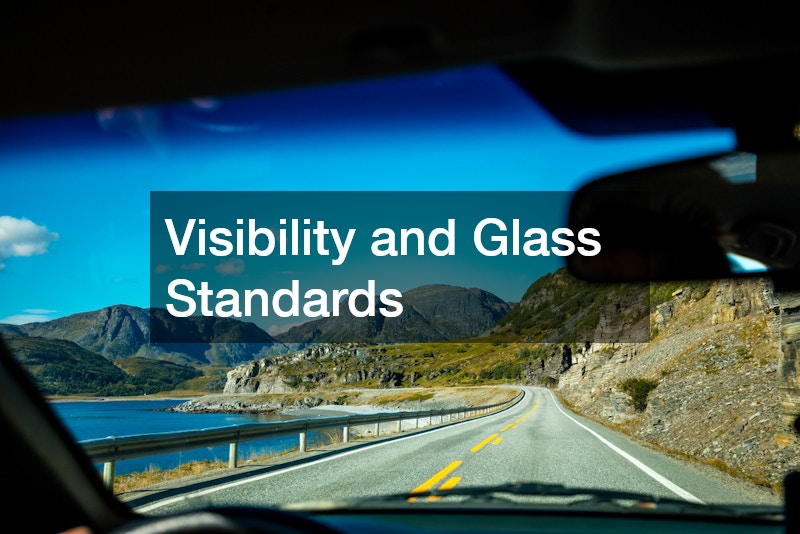
Clear the View and Fix the Glass
Maintaining a pristine windshield is about much more than aesthetic appeal; it is a primary safety requirement that every technician looks at the moment your car rolls into the garage. Inspectors pay close attention to any damage located within the driver’s critical viewing area, which is generally defined as the sweeping path cleared by the windshield wipers. Even a tiny chip or a minor spiderweb crack can reflect light unpredictably, causing dangerous glare during nighttime driving or obscuring a pedestrian from view. Furthermore, modern windshields are structural components of the vehicle; a severely cracked piece of glass cannot properly support the roof structure in the rare event of a rollover accident.
Before you schedule an official state inspection, thoroughly clean your front and rear glass inside and out so you can spot hidden defects. Small chips smaller than a quarter can usually be filled quickly with resin, which stabilizes the glass and restores visual clarity. Taking care of these minor blemishes early means you will not be forced into a costly auto windshield repair under a strict timeline when your registration is about to expire. If a crack has expanded across the glass or splintered into multiple directions, full replacement is usually the only pathway to securing a passing grade.
Check the Darkness Limits on Your Glass
Aftermarket modifications are another frequent culprit behind unexpected failures, and window tinting sits right at the top of that list. While dark windows offer privacy and keep the cabin cool during hot summer months, they drastically reduce a driver’s visibility during heavy rain storms or late-night driving. Every jurisdiction enforces specific regulations regarding Visible Light Transmission, which measures the exact percentage of light that must be able to pass through the glass. If your windows are modified beyond these legal thresholds, the inspector will use a digital tint meter to verify the blockage, resulting in an automatic failure if the glass is too dark.
If you purchased a used vehicle that already featured dark windows, it is highly recommended to have a shop test the light transmission before your official test date. Beyond the darkness level, the physical condition of the film itself is heavily scrutinized by evaluation facilities. If the material has begun to peel at the edges, bubble in the center, or turn an opaque shade of purple, it creates a dangerous visual distortion. Addressing old or illegal film through a professional auto tinting service ensures your vehicle complies with local laws while maintaining the optical clarity required to safely navigate the roads.
Stopping and Steering: Core Safety Components
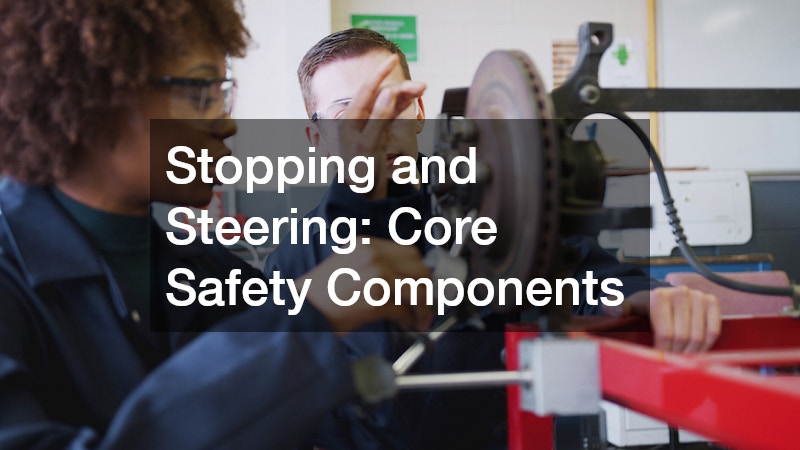
Listen for the Squeaks and Measure Pad Depth
There is arguably no system on your vehicle more critical to public safety than the assembly responsible for bringing thousands of pounds of steel to a complete stop. Technicians will evaluate your braking system from multiple angles, checking the mechanical thickness of the friction material as well as the hydraulic integrity of the lines. A visual check through your wheel spokes can give you a solid preview of what the inspector will find. If the remaining friction material on your pads looks to be roughly the thickness of a couple of pennies, you are entering the danger zone and should consider a replacement immediately.
Beyond a visual check, pay close attention to how your vehicle behaves during everyday driving leading up to the test. Subtle signs of wear can give away internal issues that will cause an inspector to reject your vehicle paperwork:
-
A high-pitched squealing noise when applying pressure to the pedal, indicating the wear indicators have made contact with the rotor.
-
A harsh grinding sound or metallic vibration, suggesting the pads are fully depleted and are damaging the iron rotors.
-
The steering wheel pulling violently to one side when you slow down, which points to a stuck caliper or uneven hydraulic pressure.
-
A soft, spongy feeling when you press the pedal down, meaning air or moisture has contaminated the fluid lines.
Proactively scheduling a certified brake repair services appointment to swap out thin pads and resurface worn rotors ensures your stopping distances remain safe and your vehicle sails through the safety check. Do not forget to test your mechanical parking brake as well; it must be strong enough to hold the vehicle completely stationary on a steep incline without slipping.
Look Under the Vehicle for Structural Soundness
The hidden underside of your car bears the brunt of road debris, moisture, salt, and environmental grime, making it a hotbed for structural degradation. During a safety evaluation, the technician will typically lift the vehicle or peer into a pit to examine the structural frame, steering linkages, floor pans, and suspension components. They are looking for structural compromise, meaning rust that has progressed past the surface stage and has begun eating holes directly through the metal support beams. A vehicle with a rusted-out frame or compromised control arms is structurally unstable and poses a severe threat in a collision.
If you own an older car or live in an area where roads are heavily salted during the winter, catching structural degradation early is paramount. Minor surface rust can be scraped away and sealed, but deeply pitted metal requires professional intervention. In cases where heavy rust scale has masked the true condition of the chassis, an automotive sandblasting service can be utilized to strip away the corrosion, exposing the bare metal so it can be evaluated, reinforced, and coated with a protective rust inhibitor. Keeping the undercarriage clean and structurally sound prevents costly structural rejections at the inspection garage.
Under the Hood and Beneath the Chassis: Mechanical Checklist
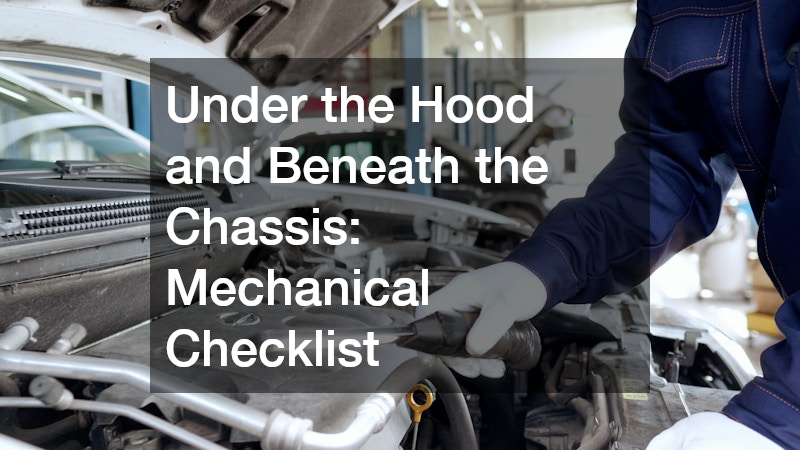
Ensure Seamless Gear Shifting and Leak-Free Operations
When an inspector opens your hood, they are evaluating the overall mechanical health of the engine compartment, looking closely for unsecured components, frayed wiring, and active fluid leaks. While a light coating of old grease or a minor oil sweat on a valve cover gasket is generally ignored, active dripping is a major compliance issue. Fluids leaking from your engine or gearbox can drip onto hot exhaust parts and create a sudden fire hazard, or wash down into the steering mechanisms and degrade rubber bushings over time.
Drivers must also be aware that severe internal mechanical issues that trigger dashboard warning lights will halt an evaluation before it even begins. For instance, modern testing systems interface directly with your car’s onboard computer via the diagnostic port under the dash. If your vehicle is experiencing severe internal slippage or gear ratio errors, the computer stores a fault code that signals a problem with power delivery. Taking care of these underlying mechanical issues by investing in a timely transmission repair will clear those stored codes, stop hazardous fluid loss, and ensure the vehicle shifts predictably through all gears during the driving portion of the state test.
Sniff Out Exhaust Leaks and Check the Tailpipe
Your vehicle’s exhaust system serves two critical purposes: it routes toxic combustion gases safely away from the passenger cabin, and it cleans those gases via the catalytic converter before they exit into the atmosphere. Because of this dual role, any vulnerability in the exhaust piping is an automatic safety failure and an environmental non-compliance issue. Inspectors will listen carefully for an uncharacteristically loud, ticking, or rumbling noise coming from underneath the vehicle, which almost always indicates a hole, a cracked weld, or a broken flange in the piping.
An unsealed exhaust system is incredibly dangerous because it allows odorless, toxic carbon monoxide to seep upward through the floorboards and accumulate inside the vehicle cabin while you are idling in traffic. To avoid this hazard, perform a quick visual and auditory check at home by starting the car on a dry surface and looking for any smoke escaping from underneath the midsection of the chassis. Resolving these holes with a professional exhaust repair ensures your emissions remain contained, your car runs quietly, and the diagnostic tailpipe probe or computer scanning system reads completely clean on test day.
Comfort, Cosmetics, and Dashboard Warnings

Tackle Cosmetic Damage That Impacts Safety
It is a common misconception that vehicle evaluations only cover internal mechanical parts and emissions components. The exterior body panels of your car are heavily scrutinized because their physical condition directly impacts pedestrian safety and structural crash zones. While minor door dings, paint scratches, and small plastic bumper scuffs will not cause you to fail, major accident damage absolutely will. Sharp, jagged metal edges protruding from a smashed fender can easily catch on clothing or injure a passerby, making them an automatic reason for a rejection sticker.
Inspectors will also physically test every door, the hood, and the rear trunk lid to ensure proper mechanical operation. Every single door must be able to open easily from both the outside handle and the inside latch to guarantee that passengers can escape quickly in an emergency situation. Similarly, the hood latch must have a functional secondary catch to prevent the hood from flying open at highway speeds and completely blinding the driver. If your car has been involved in a fender bender, securing professional auto body repair to realign panels, smooth out sharp metal edges, and fix broken latches is an indispensable step toward making the car street-legal again.
Demystify the Dashboard Warnings and Environmental Controls
The dashboard instrument cluster is the primary communication tool between your vehicle’s computers and the driver, and inspectors use it as an immediate health diagnostic. When you turn your key to the accessory position, all the warning bulbs should illuminate briefly as a bulb check, and then extinguish once the engine catches. If your Check Engine light, anti-lock brake light, or supplemental restraint system icon remains illuminated while the engine is running, your evaluation will likely come to a screeching halt.
Many drivers make the mistake of simply disconnecting the battery or using a cheap code scanner to clear a Check Engine light right before pulling into the garage. This tactic backfires completely. When the testing computer plugs into your vehicle, it checks the readiness monitors of the emissions system. If those monitors read as unready because the computer was recently reset, the vehicle is issued an immediate rejection and you will be forced to drive the vehicle for several days to reset the system patterns anyway.
To correctly resolve these electronic headaches, it is best to partner with a comprehensive auto repair service that can pull the deep diagnostic trouble codes and solve the root problem. During this diagnostic phase, you should also ensure that secondary safety features are operating properly. For example, many states mandate that the windshield defroster must blow air strongly against the glass to clear away condensation; verify that your internal ventilation works correctly, as issues linked to an auto air conditioning repair can sometimes disable the blending doors that direct hot or dry air to the windshield, leading to an unexpected safety failure.
Successfully navigating your local vehicle evaluation does not have to be a stressful gamble determined by luck. By shifting your approach from reactive panic to systematic preparation, you transform the entire process into a predictable, routine event. The time and energy you invest in evaluating your windshield, testing your lights, listening to your brakes, and checking under the hood pays massive dividends by preventing unexpected repair bills and second-trip fees.
Ultimately, keeping your car in a condition that easily satisfies state guidelines is simply good ownership. Regular checks protect your financial investment, prevent minor wear from cascading into major mechanical breakdowns, and keep your vehicle operating at peak efficiency. With a clean dashboard, fresh fluids, solid brakes, and clear glass, you can pull into the service bay with total peace of mind, knowing that your vehicle is fully prepared to pass with flying colors and keep you safe for the miles ahead.