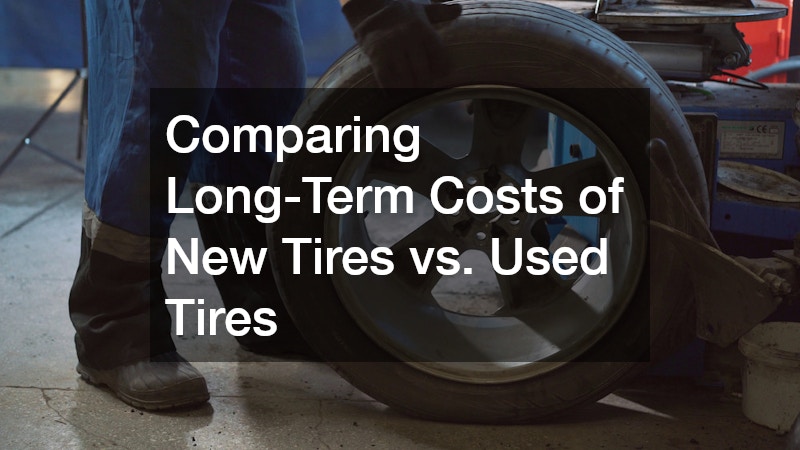
Choosing the right tires is crucial for both immediate performance and long-term value. Understanding the implications of new versus used tires can greatly influence overall expenses, maintenance needs, and driving safety. By examining long-term considerations, potential hidden costs, and performance differences, consumers can make informed choices that balance financial concerns with reliability, safety, and consistent performance on the road.
What Are the Initial Differences Between New and Used Tires?
Price Comparison
New tires are generally more expensive than used ones, often leading buyers to consider used options when budgets are tight. New tires offer fresh tread and no prior wear, ensuring predictable performance, while used tires carry existing wear, which requires careful evaluation and inspection before purchase to ensure they are safe, reliable, and capable of handling everyday driving conditions.
Value vs. Investment
Although the initial investment in new tires is higher, the long-term value often outweighs the upfront price. New tires provide predictable performance, durability, and greater safety, adding reliability for drivers over the entire lifespan of the tires. Used tires may provide immediate savings, but their value can quickly diminish due to unknown wear, reduced tread depth, and shorter lifespan. The decision centers on immediate savings versus future reliability, durability, and consistent performance, making new tires a more cost-effective choice in the long run.
Additional Considerations
Beyond the initial purchase, additional factors affect overall value. New tires may require installation, alignment, and warranties, which provide reassurance and reduce future unexpected costs. Used tires, while cheaper upfront, can lead to more frequent replacements or repairs. Some sellers charge for inspections or balancing that may not offer the same level of confidence as a warranty.
How Does Tire Longevity Affect Overall Expenses?
Tread Life Expectancy
Tread life is a key factor in long-term value. New tires usually come with manufacturer coverage that guarantees predictable mileage and consistent performance. Used tires lack comprehensive coverage and often provide a shorter lifespan depending on prior use. Guaranteed tread life ensures new tires offer more predictable and cost-effective use over their lifespan, minimizing unexpected replacements, reducing long-term effort, and improving overall reliability.
Replacement Frequency
New tires typically need replacement less often due to longer tread life, offsetting the initial investment. Fewer replacements reduce labor, balancing fees, and associated inconvenience. Used tires often require earlier or more frequent replacement, increasing both effort and potential costs. Considering longevity, investing in new tires can reduce long-term burdens compared to used options while also lowering the risk of sudden tire failure and associated safety hazards.
Maintenance Requirements
Routine maintenance maximizes tire lifespan and safety. New tires generally need less frequent alignment and pressure checks. Used tires may have uneven wear or hidden damage, increasing the need for balancing, inspection, and adjustments, which raises overall effort and potential maintenance costs. Poor maintenance on used tires can further shorten their already limited lifespan, requiring early replacement. Overall, new tires provide a more sustainable, low-maintenance option over time, offering peace of mind for drivers.
What Are the Safety Implications When Choosing Between New and Used Tires?
Tire Condition
Tire condition is pivotal for safety and performance. New tires guarantee full tread integrity, ensuring traction and stability on all road surfaces and in various driving scenarios. Used tires may have hidden damage, uneven wear, or prior repairs, reducing reliability and consistent road grip. Reduced tread depth on used tires impairs handling, especially in wet, icy, or emergency conditions. New tires provide greater safety, predictable handling, and consistent performance under all conditions.
Impact on Vehicle Performance
Tire quality directly affects braking, handling, and fuel efficiency. New tires optimize performance, while used tires with worn tread or prior damage can compromise stopping distances, cornering ability, and overall driving responsiveness. Reduced performance can increase operational strain, fuel usage, and risk on the road. New tires maintain peak vehicle performance, offering long-term operational, safety, and efficiency benefits.
Weather Adaptability
New tires feature engineered tread designed for varied weather, enhancing traction in rain, snow, or dry conditions. Used tires often have compromised tread, reducing their effectiveness and adaptability. Limited weather performance increases accident risk and reduces overall driving confidence. For reliable safety, stability, and consistent handling in all conditions, new tires outperform used options, offering peace of mind and better driving control across all seasons.

Choosing between new and used tires requires careful evaluation of durability, safety, and maintenance needs. New tires, despite higher initial investment, deliver extended lifespan, fewer replacements, and superior safety, performance, and weather adaptability. Used tires may be cheaper initially, but they often bring higher maintenance needs, uncertain performance, and potential safety risks, ultimately affecting vehicle reliability and driving confidence. Consumers should weigh immediate affordability against durability, performance, and long-term safety to make informed tire choices that support both their budget and overall driving experience.